TheMostReadBook.org

An English translation of the Quran that is as close as possible to the Arabic sacred text
View active topics
  Verse(s):    
View unanswered posts


Forum locked This topic is locked, you cannot edit posts or make further replies.  [ 69 posts ]  Go to page Previous  1, 2, 3, 4, 5, 6, 7  Next
Author Message
 Post subject: Re: Did 58:13 abrogate 58:12
PostPosted: 12 May 2010, 02:43 
Offline
Site Admin
User avatar

Joined: 04 May 2009, 16:10
Posts: 4558
Location: USA
Pragmatic wrote:
Al-Khodari's view

On page 255 of his book, Muhammad Al-Khodari provides a smart angle on this abrogation claim. He says that 58:13 explains that the charity does not have to be offered money, but could be just doing the prayers and paying the alms which constitute a charity.

That is something that Al-Areedh presents and strongly dismisses. He spends about a page out of four (329-332) to prove that acts of worship are never considered Sadaqa (charity) and therefore such argument is flawed. He may be right.

The other argument Al-Areedh knocks down is Al-Asfahaani's, namely that 58:12 was contingent upon distinguishing the true believers from the hypocrites and now that the distinction is done, the requirement is no longer necessary. Al-Areedh says that this sort of thing is exactly why abrogation occurs!

I disagree strongly with Al-Asfahaani on this. His reasoning has no foundation, neither in the language of the verse, nor in history. Ali was the only one who complied. What does that make of the rest of the Sahaaba?

Al-Areedh then presents a third refutation argument, one you suggested, Pragmatic, namely that the issue was to control the frivolous questions that Muslims bothered the Prophet (PBUH) with, wasting his time. Al-Areedh rejects that understanding but without offering a rebuttal other than his main arguments. They are that the words in 58:13 suggest abrogation.

Al-Areedh then makes a strange conclusion. He says that this is a lesson to Muslim rulers and legislators; that they should not feel awkward about rescinding their decisions once they realize they are a burden on Muslims, for God Himself abrogated His own ruling in ten days when He knew beforehand that Muslims will not bear it! Isn't that what البداء is, a change of mind based on favoring a new idea?
_________________
A candle loses nothing by lighting another candle.


Top
 Profile  
 
 Post subject: Re: Did 58:13 abrogate 58:12
PostPosted: 12 May 2010, 04:06 
Offline
User avatar

Joined: 05 May 2009, 00:16
Posts: 1839
Location: USA
Linguistic wrote:
Al-Areedh then presents a third refutation argument, one you suggested, Pragmatic, namely that the issue was to control the frivolous questions that Muslims bothered the Prophet (PBUH) with, wasting his time. Al-Areedh rejects that understanding but without offering a rebuttal other than his main arguments. They are that the words in 58:13 suggest abrogation.

Al-Areedh then makes a strange conclusion. He says that this is a lesson to Muslim rulers and legislators; that they should not feel awkward about rescinding their decisions once they realize they are a burden on Muslims, for God Himself abrogated His own ruling in ten days when He knew beforehand that Muslims will not bear it!

I like Al-Areedh, and I have grown to respect a number of mildly pro-abrogation and mildly anti-abrogation scholars for their thoughtful reasoning, most of the time at least :). In this case, I agree with Al-Areedh that the arguments of Al-Khodari and Al-Asfahani are flawed.
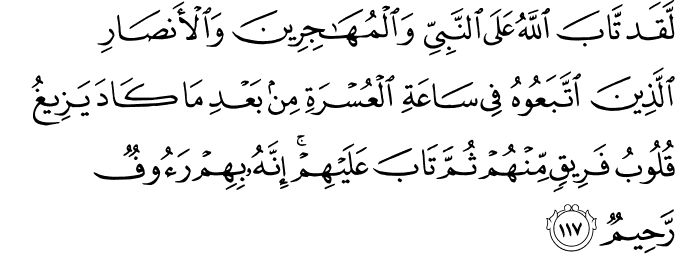
However, I disagree that the wording of 58:13 suggests abrogation, as I discussed in the above posts about forgiving previous infractions without removing the requirement. I also disagree about his remark about the lesson for Muslim rulers. This is dangerously close to 'change of mind', and that's probably why he includes 'beforehand' at the end, which seems artificial in the context of what he is saying.

_________________
To translate is the best way to understand


Top
 Profile  
 
 Post subject: Re: Did 58:13 abrogate 58:12
PostPosted: 21 May 2010, 04:30 
Offline
User avatar

Joined: 05 May 2009, 00:16
Posts: 1839
Location: USA
Pragmatic wrote:
2. There is a wording difference between 58:12 and 58:13 that may or may not have significance. 58:12 uses the word "صدقة" (singular) while 58:13 uses the word "صدقات" (plural), although the addressee in both verses is plural, and the word used for consultation in both verses is the same "نجواكم" (singular referred to plural).

On page 157 of his book, Nada takes this into consideration and says 58:13 asks those who have difficulty paying "صدقات" not one "صدقة" according to the frequency of times that they wanted to talk to the Prophet (PBUH) to do the prayers and pay the alms. Up to that point, it makes sense although it is not completely compelling. He goes on to say that prayers and alms are a form of charity, but I am now convinced they are not, per

Linguistic wrote:
That is something that Al-Areedh presents and strongly dismisses. He spends about a page out of four (329-332) to prove that acts of worship are never considered Sadaqa (charity) and therefore such argument is flawed. He may be right.

_________________
To translate is the best way to understand


Top
 Profile  
 
 Post subject: Re: Did 58:13 abrogate 58:12
PostPosted: 23 May 2010, 04:13 
Offline
User avatar

Joined: 05 May 2009, 00:16
Posts: 1839
Location: USA
Linguistic wrote:
Here is what Ibn Al-Jawzi writes about this famous case. He appears to agree about the abrogation claim:
باب ذكر ما ادعي عليه النسخ في سورة المجادلة. قوله تعالى "إذا ناجيتم الرسول فقدموا بين يدي نجواكم صدقة". أخبرنا عبد الأول بن عيسى قال أبنا ابن المظفر الداوودي قال أبنا عبد الله بن أحمد بن حموية قال أبنا إبراهيم بن حريم قال بنا عبد بن حميد قال حدثني أبي شيبة قال حدثي بن آدم قال حدثني عبيد الله الأشجعي عن سفيان بن سعيد عن عثمان بن المغيرة الثقفي عن سالم بن أبي الجعد عن علي بن علقمة الأنماري عن علي بن أبي طالب قال: 'لما نزلت "يا أيها الذين آمنوا إذا ناجيتم الرسول فقدموا بين يدي نجواكم صدقة"، قال لي رسول الله صلى الله عليه وسلم ما ترى دينارا قال قلت لا يطيقونه قال فكم؟ قلت شعيرة قال إنك لزهيد! قال فنزل "أأشفقتم أن تقدموا بين يدي نجواكم صدقات" الآية. فبي خفف الله عز وجل عن هذه الأمة'.
أخبرنا علي بن أبي عمر قال أبنا علي بن أيوب قال أبنا أبو علي بن شاذان قال بنا أحمد بن إسحاق بن سحاب قال بنا محمد بن أحمد بن أبي العوام قال بنا سعيد بن سليمان قال بنا أبو شهاب عن ليث عن مجاهد قال قال علي بن أبي طالب: 'آية في كتاب الله عز وجل ما عمل بها أحد من الناس غيري آية النجوى. كان لي دينار فبعته بعشرة دراهم، فكلما أردت أن أناجي رسول الله صلى الله عليه وسلم تصدقت بدرهم. فما عمل بها أحد قبلي ولا بعدي'.

...
He reports two different narrations from Ali about this incident: in one narration, Ali said that he was asked by the Prophet to offer a charity but Ali didn't have anything but a barley! The Prophet joked at him, "How austere of you!" Then 58:13 was revealed and Ali commented, "Thus, thanks to me, a burden on Muslims was eased!"

In the other narration, Ali is reported to have said that he was the only one to offer a charity, a dirham (silver coin), before consulting the Prophet (PBUH). Mujaahid confirms that report.

Nada reports on page 157 of his book that Ibn Al-Arabi casts doubt on the authenticity of the narrations attributed to Aly, may God be pleased with him, on this matter. Nada does not cite a reference for this, but at the end of the book, he includes a book by Ibn Al-Arabi called "Rulings of the Quran."

_________________
To translate is the best way to understand


Top
 Profile  
 
 Post subject: Re: Validation process
PostPosted: 23 May 2010, 04:23 
Offline
User avatar

Joined: 05 May 2009, 00:16
Posts: 1839
Location: USA
Linguistic wrote:
Pragmatic wrote:
BTW, I think the role of 58:12 was to reduce the load on the Prophet (PBUH) which was getting out of control. People probably approached the Prophet less after 58:12, either because they didn't want to give charity or because they weren't comfortable using the hardship clause. The end result was the intended one, to put the brakes on a work load that was going out of control.

Excellent point. I can just picture a man at the time, with a legitimate need for a private counsel with the Prophet (PBUH), but who cannot afford to offer a charity. Yet, because he's so pious, he does not deem himself exempt. So, he figures the safest thing to do to avoid violating God's command is to not go to the Prophet!

On page 156 of his book, Nada cites a similar opinion by Sayyed Qotb. Qotb adds that the time of the Prophet belonged to the nation at large, so it makes sense that someone who wanted to take part of it for private consultation should pay a compensation for the public in terms of a charity.

_________________
To translate is the best way to understand


Top
 Profile  
 
 Post subject: Re: Did 58:13 abrogate 58:12
PostPosted: 27 May 2010, 20:47 
Offline
Site Admin
User avatar

Joined: 04 May 2009, 16:10
Posts: 4558
Location: USA
The first word in 58:13, أأشفقتم is key to understanding the verse and whether it has abrogated the previous verse, so it's prudent to actually learn what the word means. According to the dictionary لسان العرب,

الليث: الشَّفَقُ الخوف. تقول: أنا مُشْفِق عليك أي أَخاف.
والشَّفَقُ أيضاً الشَّفَقة وهو أن يكون الناصِحُ من بُلوغِ النُّصْح خائفاً على المَنْصوح. تقول: أَشْفَقْت عليه أن يَنالَه مكروه. ابن سيده: وأشْفَق عليه حَذِرَ، وأشْفَق منه جَزِع، وشَفَق لغة.
والشَّفَق والشَّفقة: الخيفةُ من شدة النصح.
والشَّفِيق: الناصِحُ الحريص على صلاح المنصوح.
وقوله تعالى: إنّا كنّا مِنْ قَبْلُ في أَهلِنا مُشْفِقين، أي كنا في أهلنا خائفين لهذا اليوم.
وشَفِيق: بمعنى مُشْفِق مثل أَليم ووَجِيع وداعٍ (* قوله «وداع» هكذا في الأصل.) وسَميع.
والشَّفَق والشَّفَقة: رقَّة مِنْ نُصْحٍ أو حُبٍّ يؤدِّي إلى خوف.
وشَفِقْت من الأمر شَفَقَةً: بمعنى أَشْفَقْت؛ وأنشد: فإنِّي ذُو مُحافَظَةٍ لِقَوْمي، إذا شَفِقَتْ على الرِّزْقِ العِيالُ وفي حديث بلال: وإنما كان يفعل ذلك شَفَقاً من أَن يدركه الموت؛


The gist of it is that the word conveys the meanings of apprehension, worry, wariness that is motivated not by insecurity but by love, like that of a father toward his children's well being.

Thus, linguistically, Professor Muhammad Ali Mustafa's opinion in this previous post is validated, namely, that 58:13 addresses the uneasiness Muslims felt about offering a charity before consulting the Prophet (PBUH) privately. The only rational reason for such worry is that the Prophet told them that he and his household (أهل البيت) are not allowed to take charity.

_________________
A candle loses nothing by lighting another candle.


Top
 Profile  
 
 Post subject: Re: Did 58:13 abrogate 58:12
PostPosted: 30 May 2010, 01:31 
Offline
User avatar

Joined: 05 May 2009, 00:16
Posts: 1839
Location: USA
Linguistic wrote:
The first word in 58:13, أأشفقتم is key to understanding the verse and whether it has abrogated the previous verse

In his book, Ihab gives detailed treatment of the 5 cases that Zaid accepted as abrogation in the Quran, which include this case. He also focusses on the word أشفقتم on page 341 and argues that 58:13 is addressed to those who could not afford the charity and felt bad about it in spite of the exemption in 58:12. He sees 58:13 as aimed at consoling them and giving them something to do instead to make them feel better. He argues that تاب in 58:13 does not imply an offense has occurred. He cites as evidence


Ironically, I used the same verse to argue earlier in this thread that تاب can mean forgiving past offenses without removing the prohibition for future offenses.

_________________
To translate is the best way to understand


Top
 Profile  
 
 Post subject: Re: Did 58:13 abrogate 58:12
PostPosted: 04 Jun 2010, 18:09 
Offline
Site Admin
User avatar

Joined: 04 May 2009, 16:10
Posts: 4558
Location: USA
Pragmatic wrote:
In his book, Ihab gives detailed treatment of the 5 cases that Zaid accepted as abrogation in the Quran, which include this case.

To elaborate, Ihab Hasan Abduh, in his book استحالة وجود النسخ بالقرآن, pages 341-342, makes three important points in refuting this claim:
  1. That the key word أأشفقتم means that they feared giving a charity because they could not afford it and didn't know what to do. This confirms what I said earlier that they were so pious that they did not consider themselves exempt. That's why God revealed 58:13 to assure them that they are!
  2. That وتاب الله عليكم mean that because God knew their earnest intention, He is pleased with them, not that they did something wrong and He pardoned them.
  3. That God told them how to replace the charity for those who cannot afford it and are depressed because they can't. This reminds me of the verses,

    Where God tells the event of the earnest Muslims who wanted to join the Prophet in battle but he did not let them because he had no more horses for them to ride. They could not afford to buy their own horses and were depressed that they could not join the Prophet.

_________________
A candle loses nothing by lighting another candle.


Top
 Profile  
 
 Post subject: Re: Did 58:13 abrogate 58:12
PostPosted: 08 Jun 2010, 20:31 
Offline
Site Admin
User avatar

Joined: 04 May 2009, 16:10
Posts: 4558
Location: USA
Dr. Az-Zalmi, in his book التبيان لرفع غموض النسخ في القرآن devotes 7 pages to this claim, pages 411-417, and rightfully so since it is the only unanimous case claimed by the pro-abrogation folk. He points out a few additional points not already mentioned in the previous posts:
  1. At-Tabari in his exegesis propounds the opinions on this abrogation claim but does not take either side. Az-Zalmi says that what he said implies however that he sees this as a license after a resolution (رخصة بعد عزيمة).
  2. Ibn Abbaas said that it was the Zakah verse, 9:60, that abrogated 58:12. I may have read that opinion before.
  3. Al-Qurtubi also propounds the opinions and does not take a position. However, Az-Zalmi reads in his writing that he sees this as an expansion (توسيع). He said that the 58:13 allows more than charity as a pre-requisite to consulting the Prophet (PBUH) privately.

Az-Zalmi is adamant that these two verses do not apply only to the Prophet (PBUH), refuting the argument of Al-Asfahaani who rejects the claim on the basis of temporary situation that has ended, i.e., sifting through the hypocrites as mentioned earlier. Az-Zalmi says that the same principle stated in 58:12 applies today and always to all heads of Muslim states.

Ironically, this is one of the handful times Az-Zalmi acknowledges Al-Asfahaani in his entire book, and when he does he knocks down his argument! I agree that Al-Asfahaani's argument here is poor, but the man had great arguments elsewhere which Az-Zalmi did not even bother referring to.

_________________
A candle loses nothing by lighting another candle.


Top
 Profile  
 
 Post subject: Re: Did 58:13 abrogate 58:12
PostPosted: 08 Jun 2010, 22:17 
Offline
User avatar

Joined: 05 May 2009, 00:16
Posts: 1839
Location: USA
Linguistic wrote:
Ironically, this is one of the handful times Az-Zalmi acknowledges Al-Asfahaani in his entire book, and when he does he knocks down his argument! I agree that Al-Asfahaani's argument here is poor, but the man had great arguments elsewhere which Az-Zalmi did not even bother referring to.

Weird. I can't think of a positive explanation.

_________________
To translate is the best way to understand


Top
 Profile  
 
Display posts from previous:  Sort by  
Forum locked This topic is locked, you cannot edit posts or make further replies.  [ 69 posts ]  Go to page Previous  1, 2, 3, 4, 5, 6, 7  Next


Who is online

Users browsing this forum: No registered users and 4 guests


You cannot post new topics in this forum
You cannot reply to topics in this forum
You cannot edit your posts in this forum
You cannot delete your posts in this forum
You cannot post attachments in this forum

Search for:
Jump to:  
cron
It is currently 15 Jun 2026, 12:38

All times are UTC

Powered by phpBB © 2000, 2002, 2005, 2007 phpBB Group