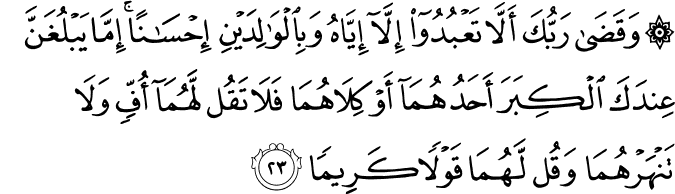
Ibn Al-Jawzi reports that
was claimed abrogated by
ذكر الآية الخامسة: قوله تعالى "قل لا أسألكم عليه أجرا إلا المودة في القربى". للمفسرين فيها قولان:
الأول أن هذا الاستثناء من الجنس، فعلى هذا يكون سائلا أجرا، وقد أشار ابن عباس في رواية الضحاك إلى هذا المعنى ثم قال نسخت هذه الآية بقوله "قل ما سألتكم من أجر فهو لكم". وإلى هذا ذهب مقاتل.
والثاني أنه استثناء من غير الأول لأن الأنبياء لا يسألون على تبليغهم أجرا، وإنما المعنى لكني أذكركم المودة في القربى. وقد روى هذا المعنى جماعة عن ابن عباس منهم طاؤس والعوفي. أخبرنا ابن حصين قال أبنا ابن المذهب قال أبنا أحمد بن جعفر قال بنا عبد الله بن أحمد بن حنبل قال حدثني أبي قال بنا يحيى عن شعبة قال حدثني عبد الملك بن ميسرة عن طاؤس عن ابن عباس رضي الله عنهما قال: لم يكن بطن في قريش إلا لرسول الله صلى الله عليه وسلم فيهم قرابة فنزلت "قل لا أسألكم عليه أجرا إلا المودة في القربى" إلا أن تصلوا قرابة ما بيني وبينكم. هذا هو الصحيح ولا يتوجه على هذا نسخ أصلا
He says that Ibn Abbaas is reported by Ad-Dhahhaak to have interpreted 42:23 to mean that the Prophet (PBUH) would ask for good relations between relatives as his payment for guiding people. Muqaatil saw it that way too. Another report tracing to Ibn Abbaas, narrated by Taawoos and Al-Awfi, says that the meaning is "so that I would remind you to be good to your relatives." On that basis, Ibn Al-Jawzi sees no abrogation.
Besides the confusion about what Ibn Abbaas said, there is no contradiction between the two verses. Verse 42:23 simply says that if people are good to their relatives, the Prophet, peace be upon him, would then feel fully paid; he's done his job. Verse 34:47 simply says that such effect, which is metaphorically called a payment, is actually a payment to those who heed the message; i.e., they are the only beneficiaries.


 Login
Login Questions
 Search