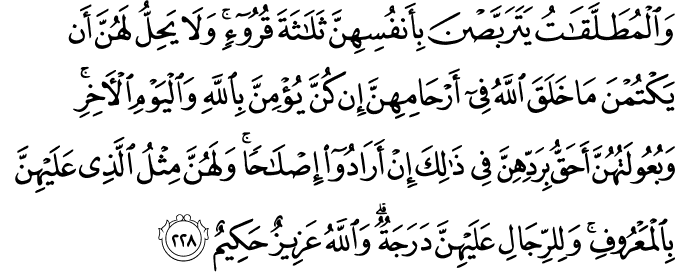
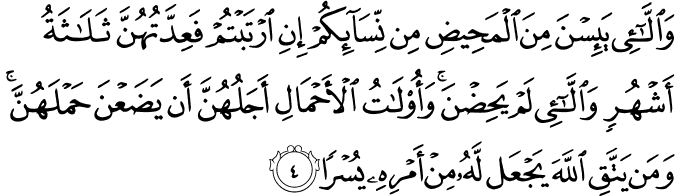
Al-Khazraji, in his book نفس الصباح في غريب القرآن وناسخه ومنسوخه, volume 2, pages 718-722, discusses this case at length, the only case which he discusses at length. He said that 2:228 was general about all divorcées, until
naskh excluded pregnant divorcées in 65:4. He quotes An-Nahhaas, Makki and Ibn Al-`Arabi saying that. For one thing, that shows that all four scholars used the word naskh to describe exclusions and specification.
He then goes on to say that those scholars were specific that 65:4 is not about widows but about divorcées only. Their evidence is the preceding and next verses show that the context of 65:4 is divorce. Of the scholars who so opined were Ali and Ibn Abbaas, said Mallik in his book Al-Muwatta'.
Al-Khazraji then quotes a narration from Ibn Abbaas when Abu-Hurayra was sitting with him. A man asked them about a pregnant widow, they answered, "The later of the two terms." Reported by Al-Bukhaari and narrated by Abu-Salama.
He quoted another narration by `Ataa' from Ibn Abbaas saying, "If her husband dies and she is pregnant, then the later of the two terms. If he divorced her and she was pregnant, then he died, then the later of the two terms." `Ataa' asked him, "What about 'And the pregnant ones, their term is when they deliver' (65:4)?" He answered, "That is for divorce without death of the husband." Narrated by Ubayy ibn Abdir-Rahmaan and reported by Maalik in his book Al-Muwatta'.
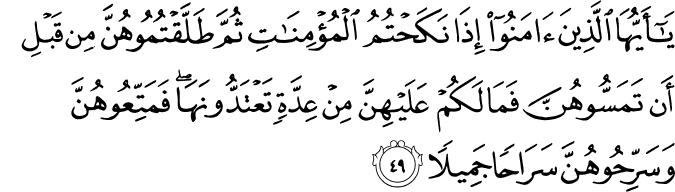
Then Al-Khazraji reports another opinion that 65:4 abrogated the generality of the waiting period mentioned in Chapter 2, namely,
2:234 and 2:240. Clearly again using the word naskh to mean specification. The evidence of those scholars, according to Makki, is a hadeeth of the Prophet (PBUH). Ubayy ibn Ka`b asked him about 65:4, is it about a woman divorced three times, or is it about a widow? The Prophet (PBUH) answered, "Both." Reported by As-Suyooti, At-Tabari and Al-Haakim. Al-Khazraji cast doubt on its authenticity. Makki said that it is the majority opinion and that it's not an abrogation but a specification. I agree.
Another evidence is a hadeeth narrated by Umm Salama, may God have been pleased with her about Sabee`a bint Al-Haarith. Her husband, Sa`d ibn Khawla died the year of the farewell pilgrimage and she delivered a baby a few nights after he died. Abus-Sanaabil ibn Ba`kak had apparently advised her that she had to wait four months and ten days before she can marry again. The Prophet (PBUH) commented, "Not like Abus-Sanaabil said! You are clear, go get married." Reported by Maalik, Al-Bukhaari and An-Nasaa'i. Al-Khazraji said this hadeeth is authentic and the other has weakness.
Finally, he said that of the scholars who opined that 65:4 is about both a divorcée and a widow were Ibn Mas`ood, Abu-Hurayra, and Umm Salama. Maalik said it was the majority opinion.


 Login
Login Questions
 Search