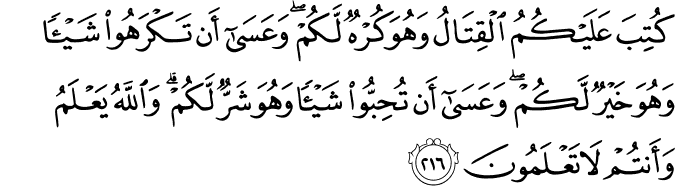
Dr. Az-Zalmi, in his book التبيان لرفع غموض النسخ في القرآن, pages 144-145, reports this case and refutes it. The case is that
was claimed abrogated. Some (Ikrima) said by
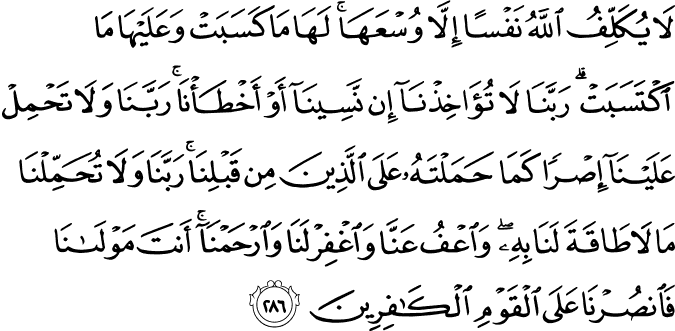
And others (An-Nahhaas) said it was abrogated by
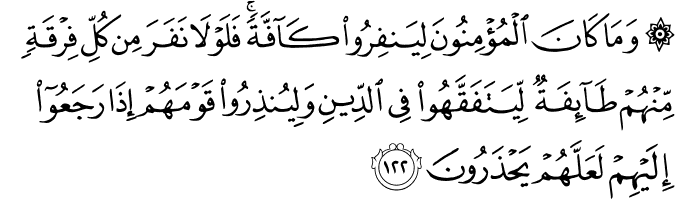
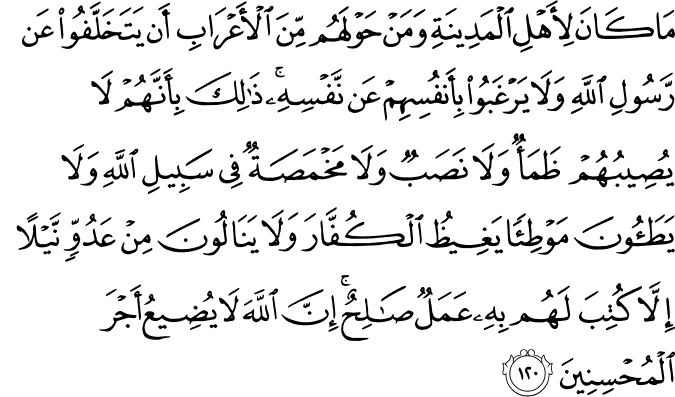
The point of abrogation, as Ibn Al-Jawzi explained, is that the order in 2:216 is general and therefore is a mandate on all Muslims. Az-Zalmi answers simply that this generality was specified later by 9:122 and 2:286. An-Nahhaas agreed but he said that in the general call to arms, fighting is mandatory on everybody. I can see why An-Nahhaas so opined. This verse,
supports his conclusion. But I still see 9:122 as valid even in the general call to arms, because of its epilogue. There must remain some people behind to alert the women, the children and the elderly that all the men went out to battle, so that those folks can take the necessary precautions. To do otherwise would be a serious military oversight, because if the enemy knew of it, they can send a troop to harm the citizens who are left behind.
The claim that 2:286 abrogated 2:216 is without merit. 2:216 establishes the fact that fighting is a necessary evil sometimes, while 2:286 is a direction from God to the believers that they should supplicate to Him that He may not cause them to fight a fight that they cannot undertake. That does not abrogate that fighting remains a necessary evil sometimes.
Abu-Abdillah Shu`la opinion is that 2:216 is general and 9:122 specified it. He also cites majority opinion of exegetes and jurists that fighting is فرض كفاية (a duty that can be carried up by a subset of Muslims). This was reported by Dr. M. Ibrahim Faaris on page 75 of his presentation of Shu`la's book صفوة الراسخ في علم المنسوخ والناسخ.


 Login
Login Questions
 Search