Ibn Al-Jawzi reports this case and summarily dismisses it,
ذكر الآية الخامسة: قوله تعالى "يا أيها الذين آمنوا لا تقولوا راعنا". قال المفسرون كانت هذه الكلمة لغة في الأنصار، وهي من راعيت الرجل إذا تأملته وتعرفت أحواله، ومنه قولهم أرعني سمعك، وكانت الأنصار تقولها لرسول الله صلى الله عليه وسلم. وهي بلغة اليهود سب بالرعونة وكانوا يقولونها له وينوون بها السب، فنهى الله سبحانه المؤمنين عن قولها لئلا يقولها اليهود، وأمرهم أن يجعلوا مكانها أنظرنا. وقرأ الحسن والأعمش وابن المحيصن راعنا بالتنوين فجعلوه مصدرا أي لا تقولوا رعونة. وقرأ ابن مسعود لا تقولوا راعونا على الأمر بالجماعة كأنه نهاهم أن يقولوا ذلك فيما بينهم، والنهي في مخاطبة النبي بذلك أولى.
وهذه الآية قد ذكروها في المنسوخ. ولا وجه لذلك بحال ولولا إيثار ذكر ما ادعى عليه النسخ لم أذكرها. قال أبو جعفر النحاس هي ناسخة لما كان مباحا قبله. قلت وهذا تحريف في القول، لأنه إذا نهى عن شيء لم تكن الشريعة أتت به لم يسم النهي نسخا
The verse is
Those who claimed it was abrogated did not say by what! An-Nahhaas said it abrogated the previous practice, but that, Ibn Al-Jawzi says, is not abrogation but initiation of legislation.
If no abrogating verse is named, how can an abrogation claim be made?
Dr. Mustafa Zayd, in his book النسخ في القرآن الكريم, volume 2, page 122 (item 853) adds another explanation of the word
راعنا. He said that As-Suddi said that the word was a derogatory Hebrew word used by the Jews, and one of them, named Rifaa`a ibn Zayd ibn At-Taaboot, used it whenever he talked to the Prophet (PBUH). As-Suddi added that the people of Medina did likewise without realizing its significance. Dr. Zayd finds that unlikely.
Dr. Zayd also quotes an excellent observation from At-Tabari, from his exegesis, volume 2, pages 460-462, that the word is in the "mutual" conjugation. That is, it means an action that two parties do to one another. Thus, if you take the word as an Arabic word, it means "pay attention to us and we will pay attention to you." At-Tabari wrote that this is inappropriate for Muslims to do, since they are required to pay attention to the Prophet (PBUH) regardless. He says that the context backs up his conclusion, since the very next verse,
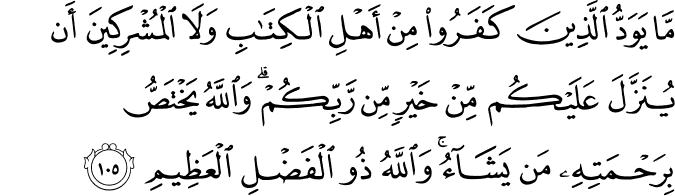
implies that the disbelievers were pleased that Muslims used that word. I didn't get that one.


 Login
Login Questions
 Search